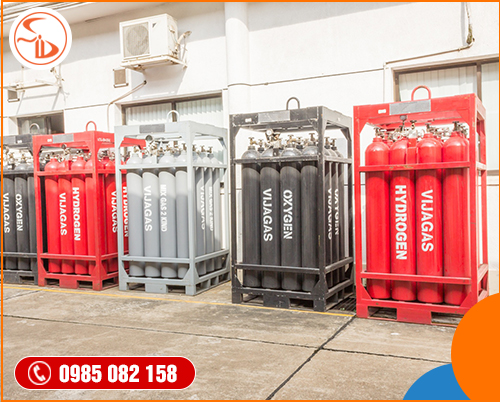
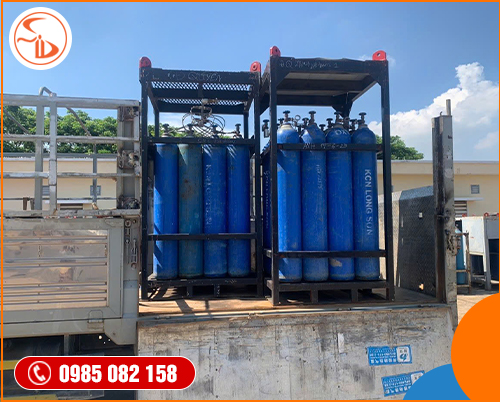
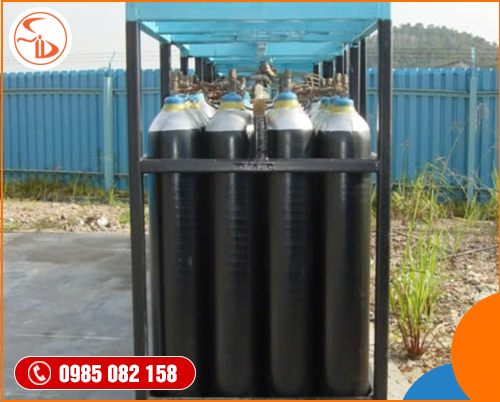
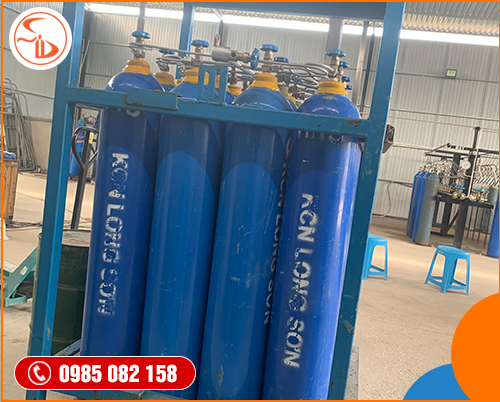
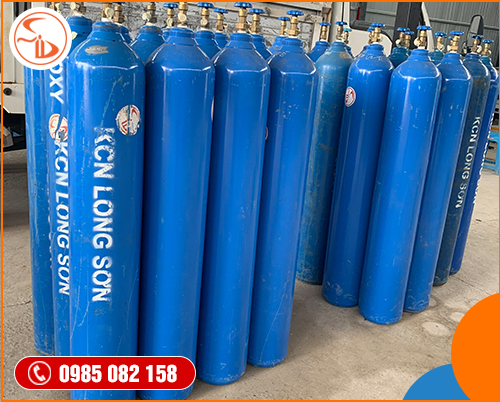
HYDROGEN GAS PALLET - 16X40 LITERS
1. Product Details:
- Pressure After Filling: 140 - 150 bar
- Standard Gas Volume: ≤ 72 m³
- Connectors: CGA580 LH
- Chemical Name: Hydrogen
- Chemical Formula: H₂
- CAS Number: 1333-74-0
- MSDS: UN 1049
2. State and Properties:
- Hydrogen is an extremely flammable gas, reacting strongly with chlorine and fluorine to create Hydrofluoric Acid, which can damage the lungs and other body parts.
- When mixed with oxygen, hydrogen forms an explosive mixture that can ignite instantly, releasing a large amount of energy even from small mixtures. It can also explode if electricity passes through it.
- Hydrogen is colorless, odorless, and non-toxic, making it safe to use with proper precautions. Caution is necessary when it comes into contact with other substances, especially oxygen.
- Due to its flammability, hydrogen should not be used for filling balloons or inflating inflatable structures instead, helium, a safer inert gas, should be used.
3. Quality:
- Purity: ≥ 99.98%
- Oxygen: ≤ 10 ppm
- H/C in CH₄: ≤ 10 ppm
- Water: ≤ 25 ppm

4. Applications:
- Industrial Use: Widely used in petrochemical refining, methanol production, and manufacturing cooking oils and margarine.
- Laboratories: Acts as a catalyst or reagent in various experiments.
- Lighter-than-Air Gas: Commonly used for inflating balloons, airships, and arches.
- Rocket Fuel: With the highest combustion temperature among natural fuels, hydrogen is used as a propellant in spacecraft.
- Clean Energy: Hydrogen is being adopted as a replacement for fossil fuels in transportation, power generation, and fuel cell production. Its combustion produces only water, making it a clean and environmentally friendly energy source.
- Industrial Processes: Used in vacuum heat treatment systems, hydrogen plays a role in manufacturing permanent magnets and surface infiltration of high-tech mechanical parts.
5. Safety Warnings and Usage Guidelines:
- Trained Personnel Only: Only properly trained individuals should operate hydrogen systems.
- Flammability Risk: Hydrogen is highly flammable at a density as low as 4%. It reacts violently with chlorine and fluorine to produce hydrofluoric acid, which can harm human lungs and other organs.
- Asphyxiation Hazard: Hydrogen does not support life and can cause asphyxiation or immediate death without warning. Mixtures with oxygen are highly explosive.
- Balloon Inflation Warning: Hydrogen is not recommended for inflating balloons or arches due to its explosive properties. Use helium for safety.
- First Aid:
• If inhalation occurs, move the affected person to fresh air immediately.
•
Perform artificial respiration if breathing stops.
•
Provide oxygen if breathing is difficult and seek medical attention immediately.
- Equipment Use: Always use pressure-reducing devices and backflow prevention tools designed for hydrogen. Ensure all equipment is clean and appropriate for hydrogen use.
- Storage and Handling:
•
Keep away from sparks, open flames, and oxygen sources.
•
Store in a well-ventilated area away from direct sunlight.
•
Always keep cylinders upright and transport them using specialized equipment. Do not roll or manually carry them.
•
Open valves slowly and close them after each use. Maintain a minimum residual pressure of ≥ 5 bar.
•
Ensure the cylinder temperature does not exceed 52°C.
By following these guidelines, you can safely handle and utilize hydrogen gas for various industrial applications.
For consultation and support, please contact us via our hotline at +84 985082158