WASTEWATER TREATMENT SYSTEM FOR RESORT
1. Introduction
About the Resort: Resort (resort) is a type of hotel that is independently built into blocks or complexes of villas, apartments, etc.In an area with beautiful natural landscape and serving needs bridge for rest, entertainment, sightseeing of human tourism. In general, the current resorts are often far from residential areas, large and peaceful spaces. Due to meeting the needs of customers, the construction of the resorts wastewater treatment system is very important. To ensure the health of visitors.
2. Origin of wastewater generation
The source of waste water causicng environmental pollution of the resort is mainly domestic wastewater, water for sanitation, cleaning the floor, etc discharged from the following sources:
+ Domestic water of guests
+ Domestic water of the administrative and professional areas
+ Wastewater from kitchen, cafeteria, etc
+ Villas area.
+ Hotel area.
+ Commercial area

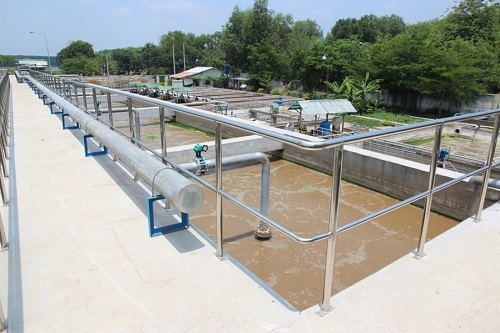
3. Technology scheme of wastewater treatment system for resort
- Sewage screen: Wastewater flows into the canals, where trash can be placed to remove large organic impurities such as nylon bags, bandages, scrap paper, etc to avoid damage or shutdown pump congestion and subsequent works.
- Oil separation tank: The job of the grease separator is to separate and keep the grease in the tank before being led into the treatment system, avoiding pump and pipe clogging and reducing the back biological treatment.
- Conditioning tank: A place where wastewater concentrates into a single source and at the same time to store the system for continuous operation.
- Anaerobic tank: Performing denitrification and partial reduction of organic compounds.
- Anoxic tank: In Anoxic tank, in the absence of gas, anoxic microorganisms develop, processing N and Phosphorus through nitrification and phosphoril.
- Aerotank tank: This process takes place strongly if using impact measures such as: aeration, increasing the amount of microbial activity by increasing activated sludge, adjusting nutrient content and inhibiting toxins affect the microbial activity.
- Sedimentation tanks: The task of settling microbial sludge from biological processes and separating them from wastewater
- Filtering tank: Filter the sediment of smaller size that has not been settled in the sedimentation tank. Next, water is passed through the disinfection tank.
- Disinfection tank: Here, chlorine is added to the water with the appropriate concentration and dose to destroy harmful microbes and microorganisms. The output country meets QCVN 14: 2008 / BTNMT.
10. Mud storage tanks: Keep and separate sediment. The sludge will be periodically transported, dumped or buried. Part of the water after separating the sediment will be returned to the conditioning tank for further treatment
Please contact us through our hotline or send us an e-mail for more information. We are very pleased to serve you!