×
Carburizing is a thermochemical heat treatment process in which carbon atoms diffuse into the surface layer of low-carbon steel while it is in the austenitic phase at elevated temperatures. The main objective is to create a high-carbon surface layer that can be hardened through quenching, while the core retains toughness and ductility.
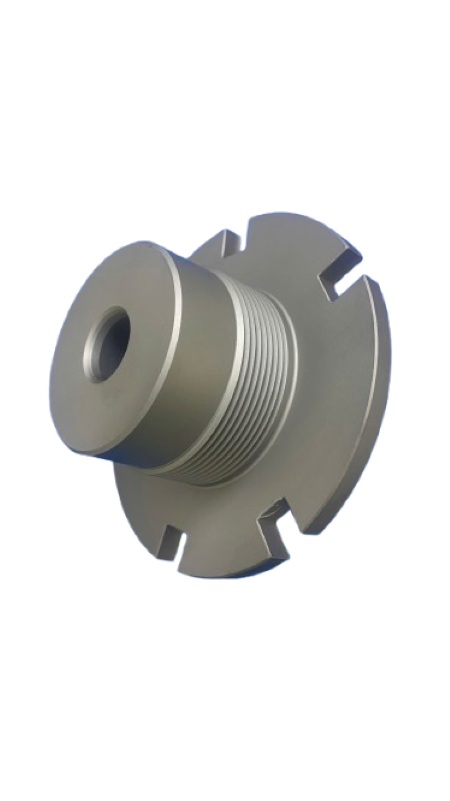
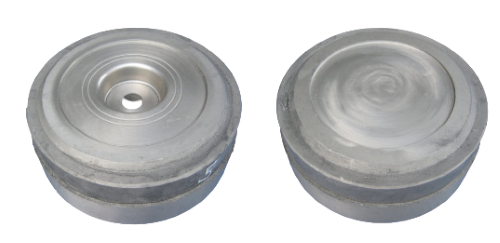
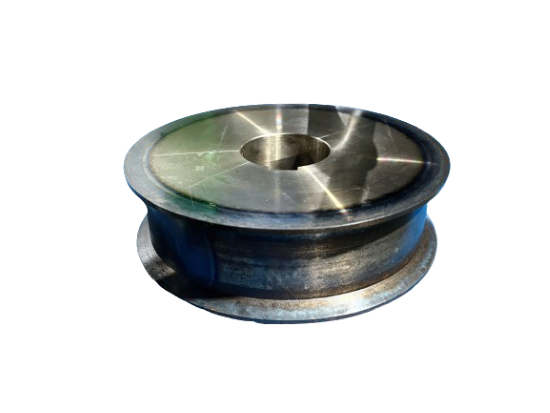
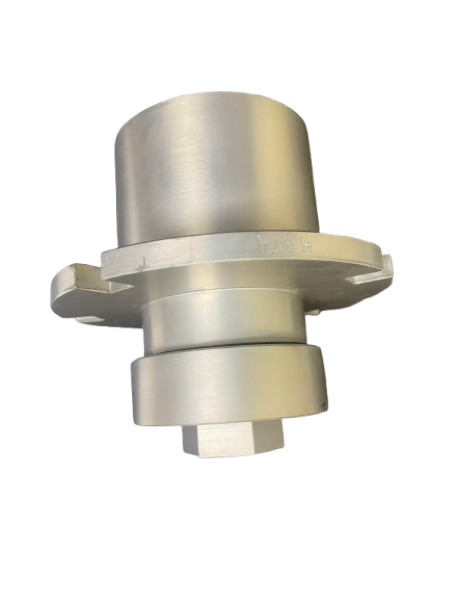
This method is widely used for machine parts subjected to wear and impact, such as gears, crankshafts, camshafts, shafts, bushings, bearings, and precision components.
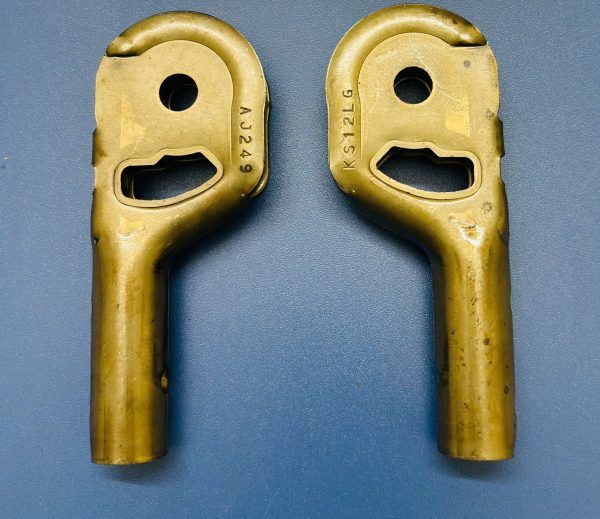
Principle and Purpose
Principle: At temperatures between 880–950°C, the steel transforms into austenite, which allows carbon to diffuse into its crystal structure. Carbon is introduced from a carbon-rich environment (gas, liquid, or solid) and penetrates the surface through diffusion.
Purpose:
Process Steps
Material and Preparation:
Carburizing (Diffusion Phase):
Quenching:
Tempering:
Case Characteristics
|
Property |
Typical Values |
|
Case depth |
0.3 – 2.0 mm (up to 4 mm in special cases) |
|
Surface hardness |
58 – 64 HRC |
|
Core hardness |
25 – 35 HRC (depending on base steel) |
|
Wear resistance |
Very high |
|
Impact resistance |
Excellent (tough core, hard shell) |
Advantages
Selective hardening with optimal material performance.
Significantly increases component life in abrasive environments.
Suitable for complex geometries.
With a team of seasoned engineers, a production workshop equipped with state-of-the-art technology, and a profound sense of responsibility, Metal Heat consistently ensures and commits to delivering absolute trust to customers through products of the highest quality.

Create a free Listing to introduce your business and be visible to your potential customers
_________________________________
YELLOW PAGES CONTACT
+84 24.3636.9512 (Ext 312)
Hotline/ Zalo: +84 914 261 828 (Ms Amy)