×

1. Product details
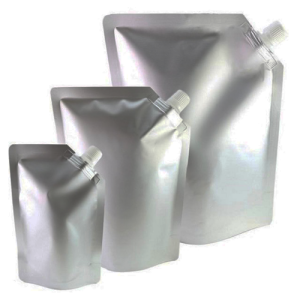
Metalized film is coated with an ultra-thin metallic layer (approximately 4 micrometers). The metal layer may be nickel, chromium, aluminum, etc., but aluminum is most commonly used. Thin aluminum foil is produced from alloyed aluminum and processed through vapor deposition and thermal drying to ensure high food-grade hygiene.
Metalized film is coated with an ultra-thin metallic layer (approximately 4 micrometers). The metal layer may be nickel, chromium, aluminum, etc., but aluminum is most commonly used. Thin aluminum foil, made from alloyed aluminum and processed through vapor heating and thermal drying, ensures superior food safety. Aluminum film is widely used in the food industry due to its exceptional barrier properties compared to other films. It is used for long-term preservation and oxidation-sensitive products such as tea bags, medical pouches, blister packs, and pesticides. There are two types: soft aluminum (for bags and paper lamination) and hard aluminum (for blister packaging).
Metal-coated films have a silver reflective surface similar to aluminum foil. The coating reduces light, water, and oxygen permeability. The inherent properties of the base film remain, such as higher durability, improved heat retention, lower density, and lower cost compared to aluminum foil. This makes metalized films advantageous over aluminum and thin foil in certain applications. While considered a potential replacement for thin aluminum foil, current metalized films cannot fully match foil’s barrier properties due to cost-to-performance limitations. Metalized films were originally used for decorative purposes such as Christmas items and continue to be used for wrapping paper, ribbons, balloons, etc.
The metalizing process uses physical vapor deposition. The metal is heated and vaporized in a vacuum chamber. The vapor condenses on a cool polymer film (PET, OPP, CPP, PE). The coating is much thinner than traditional metal foil, around 0.5 micrometers, and will not fade or discolor over time. The coating thickness depends on barrier requirements such as gas, moisture, and water resistance for specific packaging applications. The thicker the coating, the stronger the barrier properties—but production cost also increases accordingly.
2. Common types of Metalized film
MCPP: CPP Metalized – CPP base film coated with matte white aluminum (Al).
MOPP: OPP Metalized – OPP base film coated with slightly bright metal (Si).
MBON: Nylon Metalized – PA base film coated with slightly bright white metal (Si).
MPET: Polyester Metalized – PET base film coated with bright white metal (Si).
3. Disadvantages
Metalized coating may peel depending on ink adhesion strength.
Creasing or cracking may occur at edges when die-cutting boxes.
Printing on Metalized surfaces is difficult ink either fails to adhere or peels off in flakes.
Under UV exposure, the Metalized layer may discolor and turn gray.
Scraping the surface with a blade causes Metalized fragments to detach.
MPET has only one silver-white color other colors require printing a background layer.
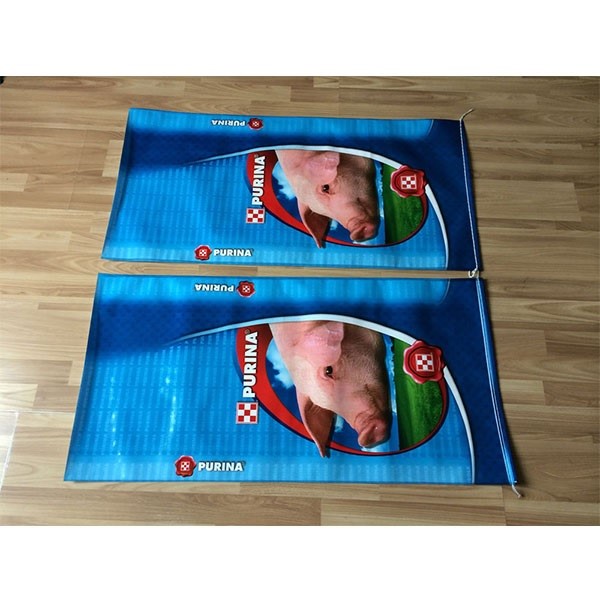
For all related details, we respectfully invite our valued customers to contact our company at the earliest opportunity to receive multiple preferential benefits!

Create a free Listing to introduce your business and be visible to your potential customers
_________________________________
YELLOW PAGES CONTACT
+84 24.3636.9512 (Ext 312)
Hotline/ Zalo: +84 914 261 828 (Ms Amy)