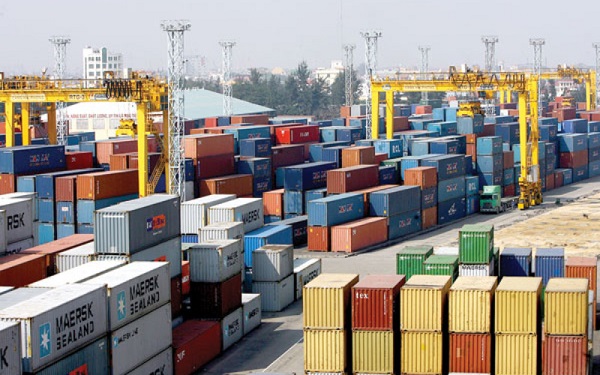
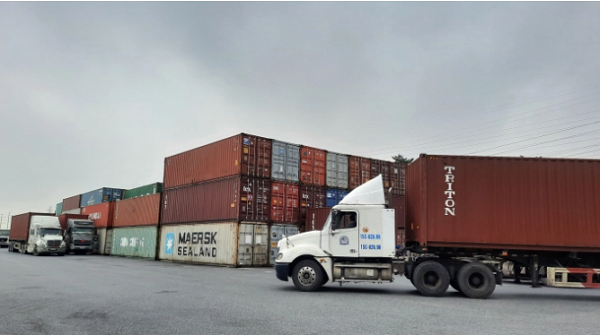
LESS THAN CONTAINER LOAD (LCL) SHIPPING SERVICE
1. What is LCL - Less than Container Load?
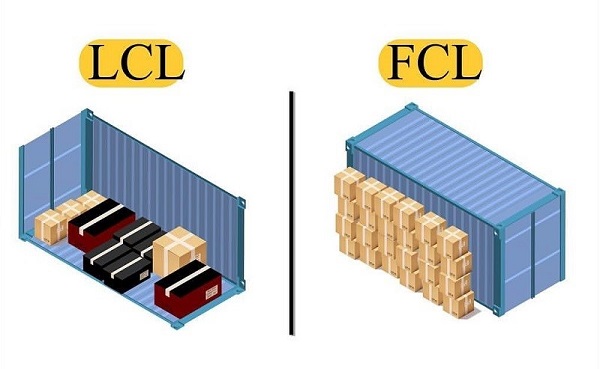
LCL, or Less than Container Load, is a term used in international shipping to describe a shipment that does not fill an entire container. Instead of paying for a whole container, shippers can share container space with other shipments. This method is cost-effective for businesses that do not have enough cargo to justify a full container.
Here are some key points about LCL shipping:
- Cost-Effective for Small Shipments: LCL allows shippers to pay only for the space their cargo occupies in a container, making it more economical for smaller shipments.
- Consolidation: Multiple shippers goods are consolidated into one container. A freight forwarder typically manages this process, ensuring each shipment is correctly loaded and documented.
- Shipping Time: LCL can sometimes take longer than Full Container Load (FCL) shipments because the container needs to be consolidated and deconsolidated at various points. This process can add to the overall transit time.
- Handling: LCL shipments are handled more frequently compared to FCL shipments, which can increase the risk of damage. Proper packaging is crucial to mitigate this risk.
- Flexibility: LCL offers greater flexibility for businesses with smaller, more frequent shipments. It allows them to ship goods as needed without waiting to accumulate enough for a full container.
- Documentation and Customs: The freight forwarder handling LCL shipments typically assists with the required documentation and customs clearance, which can simplify the process for the shipper.
LCL is a practical solution for businesses that need to ship smaller quantities of goods internationally, offering a balance between cost, convenience, and flexibility.
2. The process for handling Less than Container Load (LCL) shipments
2.1. Booking and Documentation
- Booking: The shipper contacts a freight forwarder or shipping agent to arrange the shipment. They provide details about the cargo, including weight, dimensions, and destination.
- Documentation: Necessary documents are prepared, including the Bill of Lading (BOL), Commercial Invoice, Packing List, and any required customs documents.
2.2. Cargo Collection
- Pickup: The freight forwarder arranges for the cargo to be picked up from the shippers premises. This can involve a local trucker or transport service.
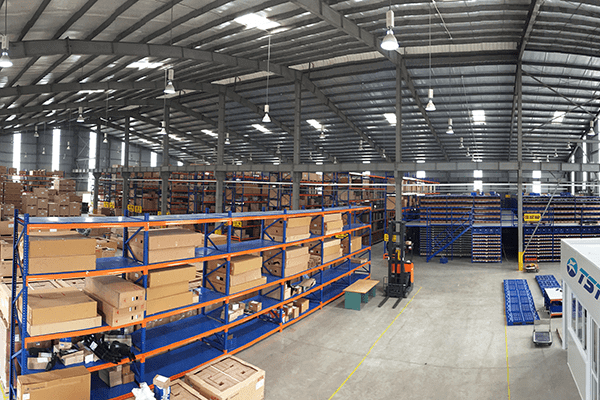
- Delivery to Consolidation Warehouse: The cargo is transported to a consolidation warehouse or Container Freight Station (CFS), where it will be consolidated with other LCL shipments.
2.3. Consolidation
- Inspection: At the consolidation warehouse, the cargo is inspected for any damages and to verify the quantity and quality as per the provided documentation.
- Labeling and Sorting: Each shipment is labeled and sorted based on its destination. Proper labeling is crucial to avoid any mix-ups during the consolidation and deconsolidation process.
- Loading: The sorted cargo is then consolidated and loaded into a container with other LCL shipments destined for the same or nearby locations. Proper packing and securing of cargo are important to prevent damage during transit.
2.4. Transportation
- Container Shipping: The consolidated container is transported to the port of departure and loaded onto the shipping vessel.
- Ocean Freight: The container is shipped to the destination port. During this phase, the shipper can track the shipment using the container number or other tracking information provided by the freight forwarder.
2.5. Deconsolidation
- Unloading at Destination Port: Once the container arrives at the destination port, it is unloaded and transferred to a CFS or deconsolidation warehouse.
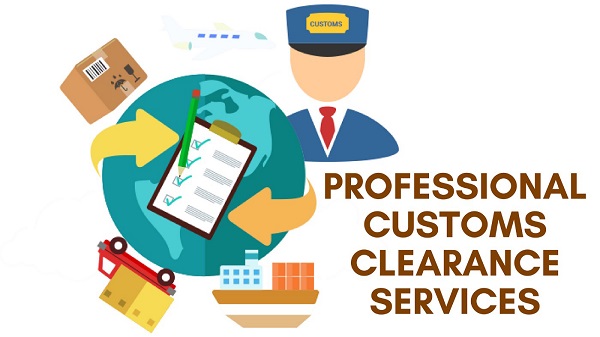
- Customs Clearance: The cargo undergoes customs clearance. The freight forwarder or customs broker handles the necessary paperwork and payment of duties and taxes.
- Deconsolidation: The container is opened, and individual shipments are separated based on their final destinations.
2.6. Final Delivery
- Inspection and Sorting: At the deconsolidation warehouse, the cargo is inspected again and sorted for final delivery.
- Delivery to Consignee: The freight forwarder arranges for the final delivery of the cargo to the consignees address.
2.7. Post-Delivery
- Feedback and Resolution: Any issues or discrepancies noted during the process are resolved. The shipper and consignee can provide feedback on the service quality.
- Documentation: Final documentation, including proof of delivery, is completed and provided to the shipper and consignee.
❖ Key Considerations
- Cost: LCL shipments are generally more cost-effective for smaller loads as shippers only pay for the space they use in the container.
- Time: LCL shipments might take longer than Full Container Load (FCL) shipments due to the additional steps of consolidation and deconsolidation.
- Risk Management: Proper packing and handling are crucial to minimize the risk of damage as multiple shipments are handled together.
By following these steps, LCL shipments are managed efficiently and cost-effectively, allowing smaller shippers to benefit from international shipping without needing to fill an entire container.
3. Why Customers Choose Hung A Logistics?
- Fast, Accurate, and Competitive Pricing
- Professional and Experienced Staff
- Professional Conduct
- Global Network
For more details and consultation, please contact our hotline at 0968 397 465.