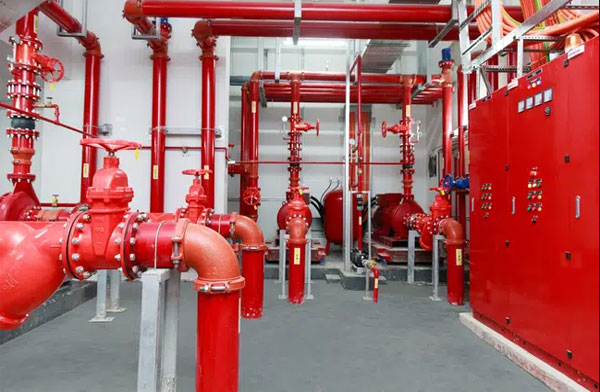
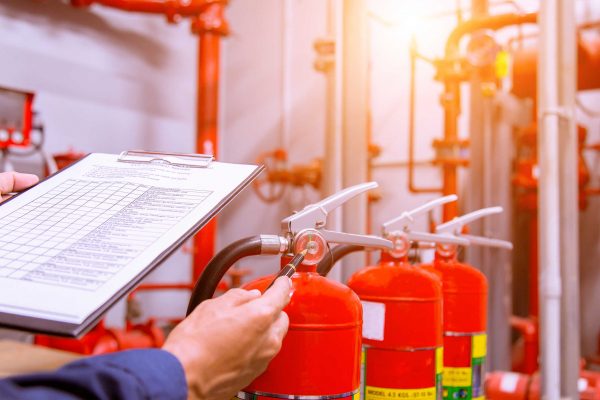
SPECIALIZED IN CONSTRUCTION AND INSTALLATION OF NEW FIRE PROTECTION SYSTEMS
Scope of work:
- Automatic fire alarm systems and automatic fire suppression systems (Sprinkler systems).
- Fire hose reel and standpipe systems, fire pumps.
- Fire extinguishers of all types, fire hose reels, valves, firefighting cabinets, and sprinkler heads.
- Lightning protection systems for buildings, residential houses, and fuel stations, including direct lightning protection and surge protection.
- Video door phones with color monitors.
- CCTV surveillance systems for factories, supermarkets, businesses, and schools.
- Intrusion and anti-theft alarm systems, including goods anti-theft systems for supermarkets.
Foam Fire Suppression Systems
Foam fire suppression systems are widely applied in areas with a high risk of fire and explosion, such as fuel storage tanks and hazardous chemical warehouses.
Foam Fire Suppression System / Firefighting Foam
What is Firefighting Foam?
Simply put, firefighting foam is a large-volume, stable foam mass filled with air, having a density lower than oil, gasoline, or water. Foam is created from three components: water, foam concentrate, and air.
Water is mixed with foam concentrate to form a foam solution. This solution is then mixed with air (air induction) to create firefighting foam with sufficient properties to be discharged onto the burning surface and extinguish the fire.
Types of Foam Concentrates
- AFFF Foam (water-based): Creates a thin film layer covering the surface of hydrocarbon fuels.
- ARC Foam (Alcohol-Resistant Concentrate): Forms a protective membrane over the surface of non-water-miscible fuels.
Foam can also be classified by its expansion ratio, for example:
- Low-expansion foam: Expansion ratio less than 20 times.
- Medium-expansion foam: Expansion ratio from 20 to 200 times.
- High-expansion foam: Expansion ratio greater than 200 times.
Foam Fire Suppression System – Operating Principle
Foam fire suppression systems are commonly used in high-risk fire and explosion areas such as fuel tanks and hazardous chemical storage facilities. Due to their superior properties, foam systems reduce the amount of extinguishing agent required, thereby minimizing damage to equipment and assets, reducing environmental pollution caused by water discharge—especially in areas containing hazardous substances.
Foam fire suppression systems primarily operate on the principle of isolation. When activated, the system discharges foam to cover the surface of flammable liquids, separating the fuel from air and flame, thus extinguishing the fire. In addition, the water content in the foam helps cool the fuel and prevents vaporization that could mix with air and form explosive mixtures.
Structure of a Foam Fire Suppression System
In high-risk areas, smoke detectors and heat detectors are installed. When a fire occurs, the central control panel activates the alarm siren, allowing on-duty personnel to identify the fire location.
When the temperature in the fire zone reaches approximately 60–80°C, the sprinkler head ruptures and water is discharged, causing a pressure in the system. The pump is then automatically activated to supply water to the compound storage tank.
As water flows through the pipeline (signals are sent back to the fire alarm control panel), the solenoid valve opens. Part of the water flows into the foam tank, creating pressure on the foam concentrate container inside. This pressure forces the foam concentrate out toward the discharge nozzles. Due to the high surface tension of the foam, the foam blanket is stable, effectively isolating the burning material and preventing re-ignition.
Foam proportioning systems may be of the balanced pressure type or inline type.
Foam discharge devices may include sprinklers, sprays, nozzles, monitors, foam pourers, or high-expansion foam generators, depending on the foam system applied.
If your company, factory, warehouse, pharmaceutical facility, processing plant, or transportation unit stores flammable liquids, the risk of devastating fire is real.
Thanh Dat Binh Duong Fire Protection Company specializes in the construction and installation of advanced fire protection systems, including:
- Sprinkler fire suppression systems
- Nitrogen (N₂) fire suppression systems
- CO₂ gas fire suppression systems
- Foam fire suppression systems
- Semi-automatic fire suppression systems
- FM-200 gas fire suppression systems, and more.
Contact Thanh Dat Binh Duong Fire Protection Company for consultation on installation and proper use of our fire protection products and services.